
Are Seed Oils Truly the Enemy?
We have been told to fear seed oils and that consuming them will lead to inflammation in the body. But when looking at the facts, is this actually something to worry about, or just another health fad?
Across social media, people are promoting a lifestyle free of seed oils. They claim that by doing so, they are implementing an anti-inflammatory diet that will improve their overall health and possibly eliminate the risks of cancer, diabetes, and poor mental health.
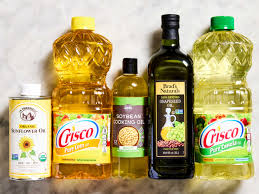
First, what are seed oils? Seed oils are often better known as vegetable oils, such as canola, sunflower, corn, soybean, and safflower oil. They are oils extracted from plant seeds and commonly used in cooking. Note that not all vegetable oils are seed oils, and that cooking with oils such as avocado, coconut, or olive oil would be considered free from seed oils.
Snack brands have started advertising that their food is “seed oil-free”, increasing sales and popularity amongst influencers advertising the product. Chips, popcorn, nuts, cereals, pretzels, and more are often deemed “healthy” by many who follow this belief, as long as seed oils are not included on the ingredients list. Travel guides and various social media platforms now highlight restaurants that are seed oil-free and “safe” for those avoiding these oils.
The notion that seed oils are supposedly “toxic” took off online in 2018, and these ideas are often attributed to Mark Sisson, who wrote The Primal Blueprint, promoting the paleo/keto diet as the answer to achieving health in the modern world. Dr. Cate Shanahan’s early 2000s research is also notable for the role of social media influencers, podcasters, and even political figures pushing against the use of seed oils, claiming they are dangerous and toxic.
This post aims to examine both sides of the debate and understand the scientific evidence relating to the effects of seed oils in the diet.
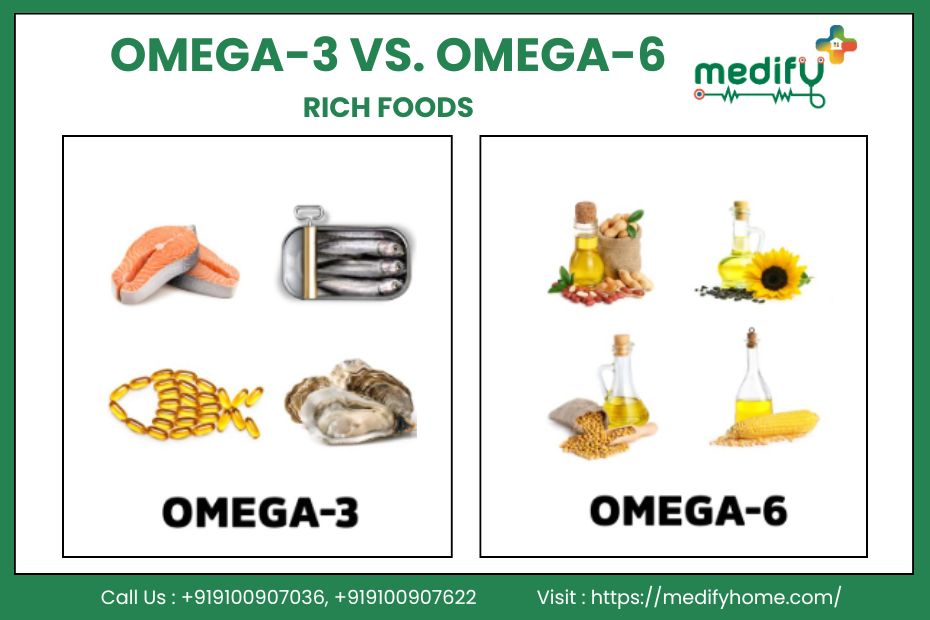
Image Credit: https://medifyhome.com/omega-3-vs-omega-6/
Seed Oil Metabolism: Toxic or Misunderstood?
Let’s begin by looking into the metabolism of seed oils to understand the claims both for and against their supposed inflammatory properties. The fight against seed oils centers on a metabolic perspective: the body’s metabolism of omega-6s drives inflammation. Delving into the science of lipid absorption indicates that this is not entirely true.
Linoleic acid, a type of omega-6 fatty acid, is thought to increase inflammation when desaturated into arachidonic acid, which “makes a significant contribution to the fatty acids present in the membrane phospholipids of cells involved in inflammation” (Innes & Calder, 2018). Metabolically, linoleic acid, which people claim to be the fatty acid leading to inflammation, is the precursor to arachidonic acid, which is proven to have inflammatory effects. Many NSAIDs, medications used to relieve pain, such as Advil, work to inhibit the metabolic pathway that leads to the production of arachidonic acid, thus lowering inflammation and relieving pain.
With this being said, it is understandable how people could be fearful of the possible inflammatory effects as a result of absorption of these fatty acids. This claim lacks scientific evidence; it indicates that an increase in linoleic acid or omega-6s in the diet directly increases inflammation. In fact, many researchers have found not only no correlation but also claim that it is important to have omega-6s in the diet along with omega-3’s (Rosen, 2025).
Researchers have found that maintaining a balance of both omega-6 and omega-3 fatty acids in the diet is important. Both omega-6’s and omega-3’s are essential fatty acids, meaning that we cannot produce them ourselves, and we must get them from our diet. Omega-3s are known to have anti-inflammatory effects because they are converted into eicosatetraenoic acid in the body. Omega-6’s do the same, but where the misconception comes from is that, unlike omega-3 fatty acids, when we have absorbed enough linoleic acid to produce the anti-inflammatory eicosatetraenoic acid, we begin producing arachidonic acid, which has inflammatory properties.
We must eat a ratio of both omega-3s and omega-6s to maintain homeostasis. While it is important to prioritize the consumption of omega-3’s for their anti-inflammatory properties, it is also important to incorporate omega-6s as they too produce the anti-inflammatory eicosatetraenoic acid. Eating both types of fatty acids, even omega-6’s, which are a main polyunsaturated fat found in seed oils, has been linked through scientific studies to contribute to lower LDL cholesterol levels (Williams, 2025).
Seed Oils versus Cholesterol
Speaking of cholesterol, the effects of seed oils in the diet have been highly studied in correlation with cholesterol levels. This has been a hot topic of conversation amongst influencers, claiming that seed oils contribute to the “obesity” epidemic, along with other health implications such as diabetes and cardiovascular disease, as a result of cholesterol levels. There is no research to back this up; in fact, a study done by researcher Matti Markland, who has a PhD in Materials Science and Engineering, found that “people with the highest levels of linoleic acid in their blood had a lower risk of developing cardiovascular diseases” (Rosen, 2025). Note that linoleic acid is the most prominent type of omega-6’s, which are the polyunsaturated fatty acids in seed oils. This study followed 68,000 individuals for 2.5 years to 30 years, monitoring levels of linoleic acid in their blood in relation to the occurrence of heart disease or stroke.
The findings indicated that the individuals with the lowest risk of developing cardiovascular diseases were those with the highest levels of linoleic acid in their blood. Further studies were performed to measure whether these findings were incidental. The individuals were given certain amounts of linoleic acid and monitored. In doing so, researchers were able to prove that those who had more linoleic acid in their blood not only had reduced levels of bad cholesterol (LDL’s) but also had increased levels of good cholesterol (HDL’s), lower blood pressure, and a lower risk of developing type 2 diabetes due to improved glucose metabolism (Rosen, 2025).
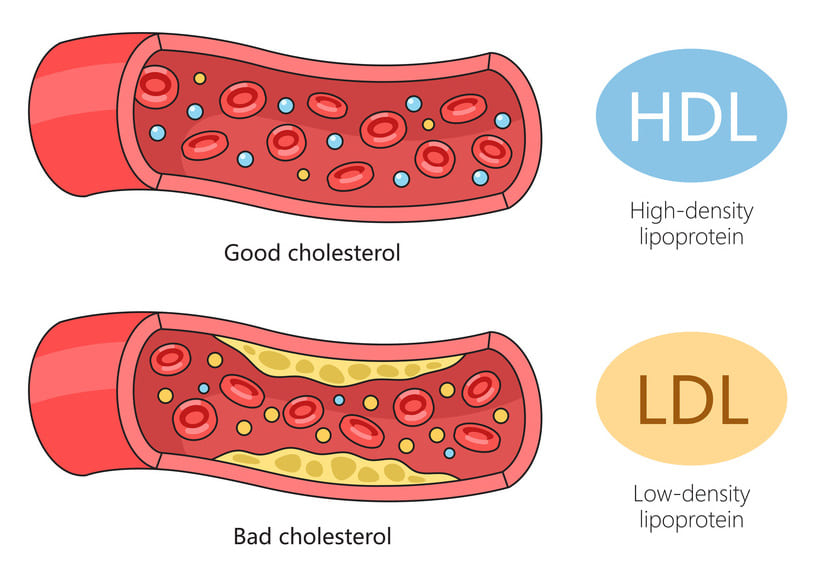
Image Credit: https://doctorpauly.com/know-your-numbers-cholesterol/
Differentiating Correlation from Causation
From an evidence-based perspective, there is no research supporting the claim that seed oils are inherently toxic, dangerous, or inflammatory. While exploring the processes of lipid absorption, it is understandable how misinformation has spread, but when we look at the full scope of fatty acid metabolism, we can gather that both omega-6 and omega-3 fatty acids are essential in our diets. Both types of fatty acids produce eicosanoids, which have anti-inflammatory properties, and when eaten in balance with one another, can have great benefit to one’s health. Further studies indicate that increased linoleic acid absorption causes lower levels of bad cholesterol, increased good cholesterol, improves blood pressure, and reduces the risk of cardiovascular diseases, as well as developing type 2 diabetes.
All in all, with little to no research indicating that seed oils cause pro-inflammatory properties that lead to obesity and other health risks, other nutritional changes should be prioritized to improve overall health. Christopher Gardner, the director of nutrition studies at Stanford Prevention Research Center, highlights that there are many health-related factors that could lead to obesity and other diseases. One factor is that ultra-processed foods often contain seed oils along with other ingredients, such as high levels of sugar and other additives (Williams, 2025). Ultra-processed foods are foods that have been modified to include added sugars, fats, preservatives, and/or salts to enhance the taste and extend shelf life. While good as a part of a balanced diet, eating ultra-processed foods solely with no incorporation of whole foods could result in an increased susceptibility to developing cardiovascular diseases, diabetes, and other negative health implications.
Image Credit: https://www.heart.org/en/news/2020/01/29/processed-vs-ultra-processed-food-and-why-it-matters-to-your-health
Until we have more research on the subject, focus on adding more nutrients to your diet rather than removing any particular food groups that have been deemed as “bad”. The fear around seed oils and the efforts being made to eliminate them from one’s diet could be causing unnecessary anxiety. Prioritize eating intuitively and not labeling any specific food as “good” or “bad” to shut down food rules and rigidity around eating.
Sources
Credit featured photo: Ryan Liebe; Design: The Kitchn
Innes, J. K., & Calder, P. C. (2018, May). Omega-6 fatty acids and inflammation. ScienceDirect.https://www.sciencedirect.com/science/article/abs/pii/S0952327818300747
Rosen, A. (2025, June 6). Influence vs. Evidence: The Science Supporting Seed Oils. John Hopkins Bloomberg School of Public Health. https://publichealth.jhu.edu/2025/the-evidence-behind-seed-oils-health-effects
Williams, S. (2025, March 14). Five things to know about seed oils and your health. Stanford Medicine News Center. https://med.stanford.edu/news/insights/2025/03/5-things-to-know-about-the-effects-of-seed-oils-on-health.html
