
Discover the difference between botanical fruits and culinary vegetables, explore the nutritional benefits of seasonal fall produce, and celebrate autumn with a classic pumpkin pie recipe.

When you think of fall, what comes to mind? Maybe colorful leaves, warm soups, apple and pumpkin picking, or a slice of homemade pumpkin pie. Autumn brings an abundance of delicious seasonal produce and some of our favorite fall ingredients have a surprising scientific classification: many foods we commonly call vegetables are botanically fruits!
Pumpkins, tomatoes, butternut squash, and winter squash are all examples of foods that can be considered fruits from a botanical perspective, even though we typically use them as vegetables in the kitchen. Sweet corn offers another interesting twist: botanically, it’s a grain, but it is classified as a starchy vegetable in U.S. dietary guidelines.
So, what makes something a fruit instead of a vegetable? And beyond their classifications, what nutritional benefits do these fall favorites provide? Let’s explore the science behind these foods and discover how to enjoy them throughout the season.
What Makes a Fruit a Fruit?
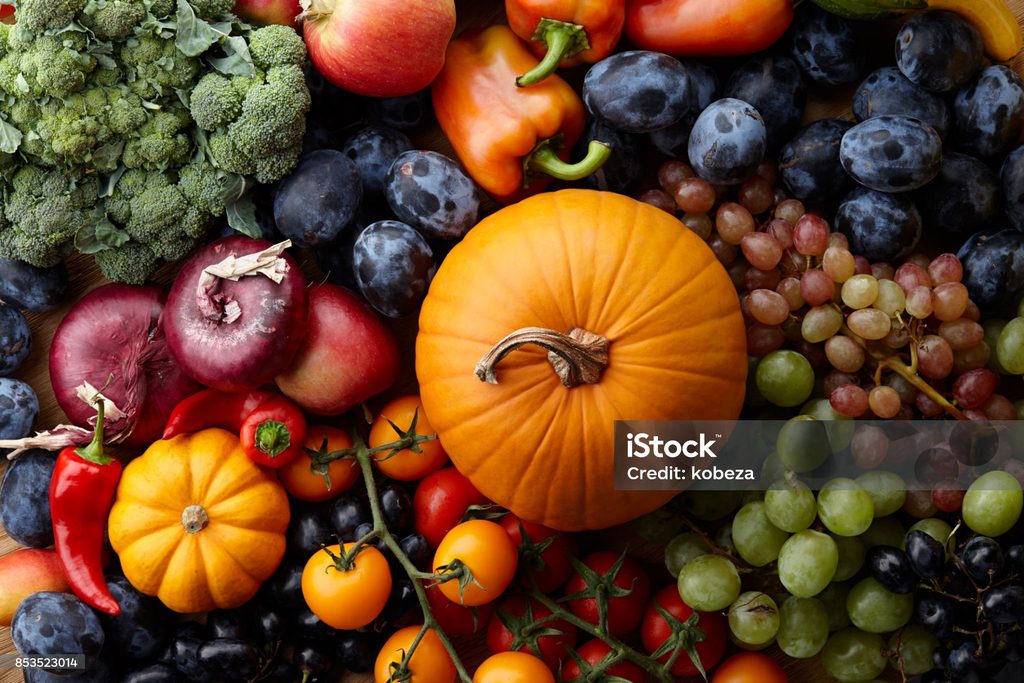
In everyday conversation, we often distinguish fruits from vegetables based on sweetness. Apples, berries, and pears are usually considered fruits, while broccoli, carrots, and spinach are considered vegetables. However, the scientific distinction is a little different.
Botanically, a fruit develops from the ovary of a flowering plant and typically contains seeds. Fruits help flowering plants protect and disperse their seeds. Vegetables, on the other hand, are a broad culinary category that can include many edible plant parts, such as roots, stems, leaves, flowers, and even botanical fruits.
For example, carrots are roots, spinach is a leaf, and broccoli is a flower structure. Tomatoes and pumpkins develop from flowers and contain seeds, making them botanical fruits.
A review by Monteiro and colleagues (2023) highlights how food classification systems can differ depending on whether the purpose is botanical identification, food science, or dietary guidance. These categories serve different purposes, which helps explain why a food can fit more than one classification system.
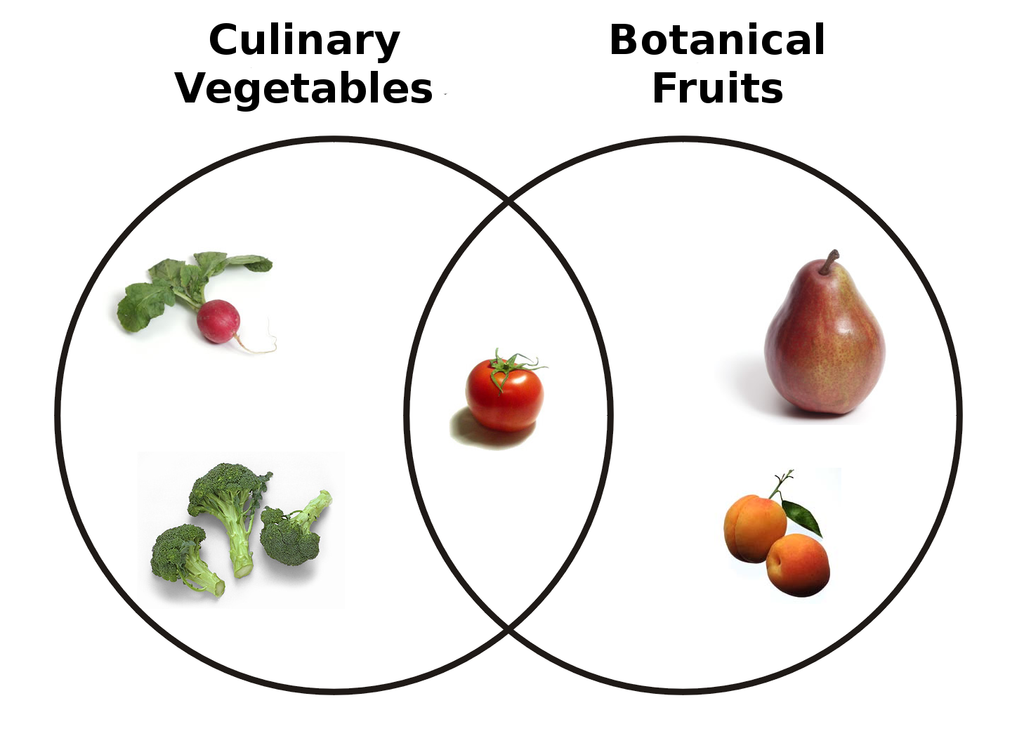
Fruits or Vegetables? It Depends on How We Use Them!
If pumpkins and tomatoes are fruits, why do we usually think of them as vegetables?
The answer comes down to culinary classification. In cooking, foods are often grouped according to their flavor, texture, and role in a meal rather than the part of the plant from which they develop.
Botanical fruits that are less sweet and commonly used in savory dishes are often treated as vegetables. Sweet corn is another example of how botanical and culinary classifications differ, although its botanical classification is a grain rather than a fruit.
Let’s explore five familiar fall favorites.
Pumpkin
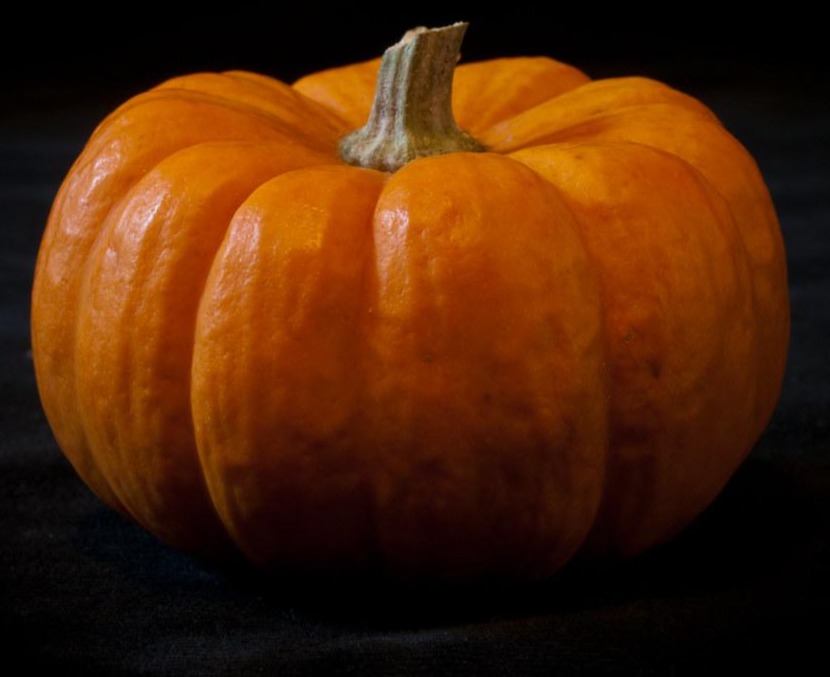
Pumpkin is botanically a fruit because it develops from a flower and contains seeds. However, its mild, earthy flavor makes it versatile in both sweet and savory recipes. Pumpkin is commonly used in soups, roasted dishes, breads, muffins, and, of course, pumpkin pie.
Nutrition highlight: Pumpkin is rich in beta-carotene, the orange pigment that the body can convert into vitamin A. Vitamin A supports eye health, helps maintain healthy tissues, and plays an important role in immune function (National Institutes of Health, Office of Dietary Supplements [NIH ODS], 2025). Pumpkin also provides fiber, which helps support digestive health.
Adding pumpkin to soups, grain bowls, or other savory dishes is a delicious way to incorporate this nutrient- rich food into everyday meals.
Tomatoes
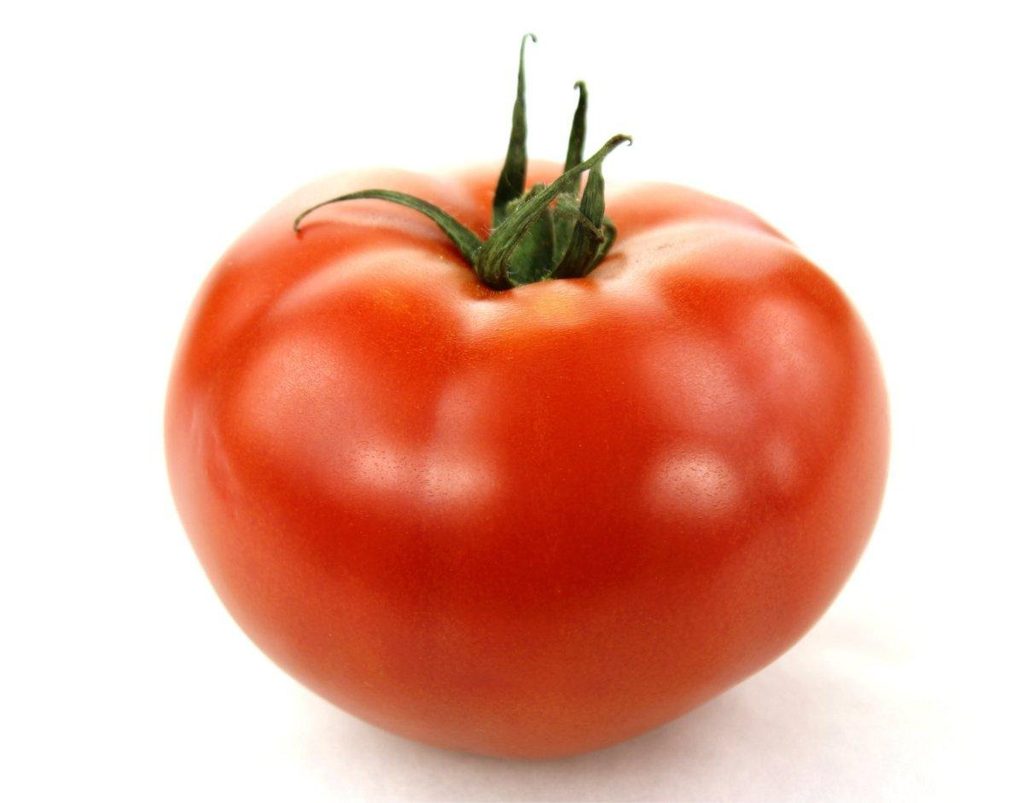
Tomatoes are perhaps one of the most familiar examples of the difference between botanical and culinary classifications. They are botanically fruits, but generally treated as vegetables in cooking because of their flavor and use in savory dishes.
Nutrition highlight: Tomatoes provide vitamin C, which supports immune function and helps the body produce collagen, a protein important for wound healing and the structure of skin and other tissues. They also contain lycopene, a carotenoid responsible for much of their red color.
Tomatoes can be enjoyed fresh, cooked into sauces, or roasted to bring out their natural sweetness. Including a variety of colorful produce is a practical way to add different nutrients and plant compounds to meals.
Butternut Squash
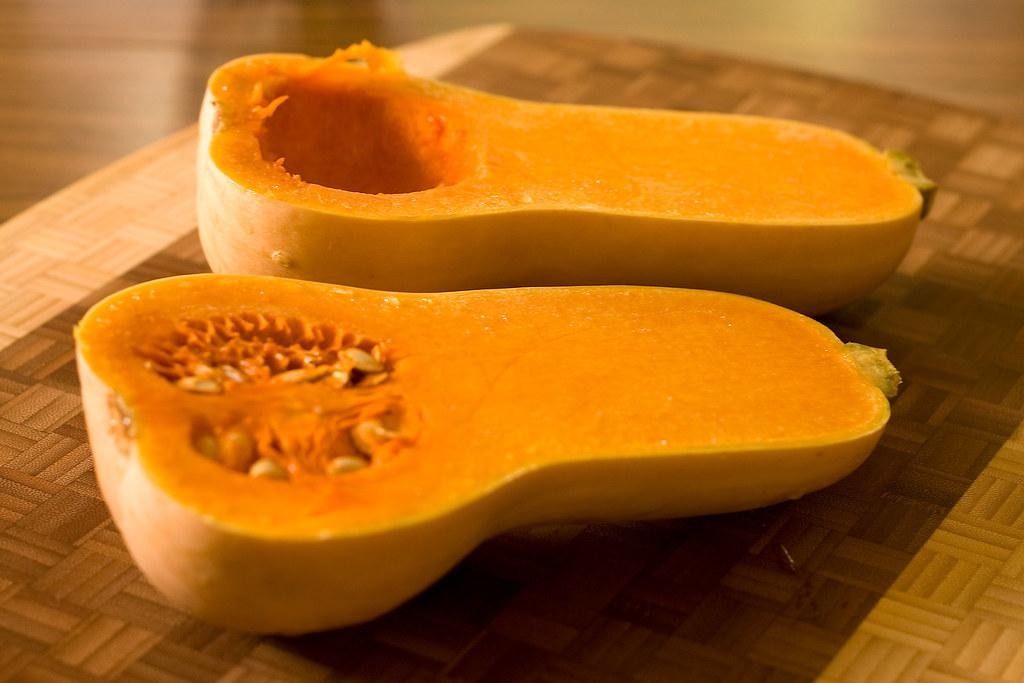
Butternut squash is another botanical fruit that is commonly treated as a vegetable in cooking. Its sweet, nutty flavor works well in roasted dishes, soups, salads, and grain bowls. It’s especially popular during fall and winter.
Nutrition Highlight: Butternut squash provides beta-carotene, which the body can convert into vitamin A. Vitamin A supports vision and immune function.
Try roasting a butternut squash with olive oil and your favorite herbs, or blend it into a creamy soup for a comforting autumn meal.
Sweet Corn
Sweet corn is a little different from the other foods on this list. Botanically, corn is a grain because its kernels are fruits of the grass family. Sweet corn is harvested while immature, when its kernels are tender and moist, and is classified as a starchy vegetable in U.S. dietary guidelines (Mailly & Dahl, University of Florida IFAS Extension, n.d.).
Nutrition highlight: Sweet corn provides carbohydrates for energy, dietary fiber to support digestive health, and nutrients such as folate and potassium. Yellow sweet corn also contains the carotenoids lutein and zeaxanthin, which are associated with eye health (Mailly & Dahl, n.d.).
Enjoy sweet corn on the cob, add kernels to soups and salads, or mix them into grain bowls. Fresh corn is typically available during warmer months in many regions, while frozen and canned options make it convenient to enjoy year round.
Winter squash
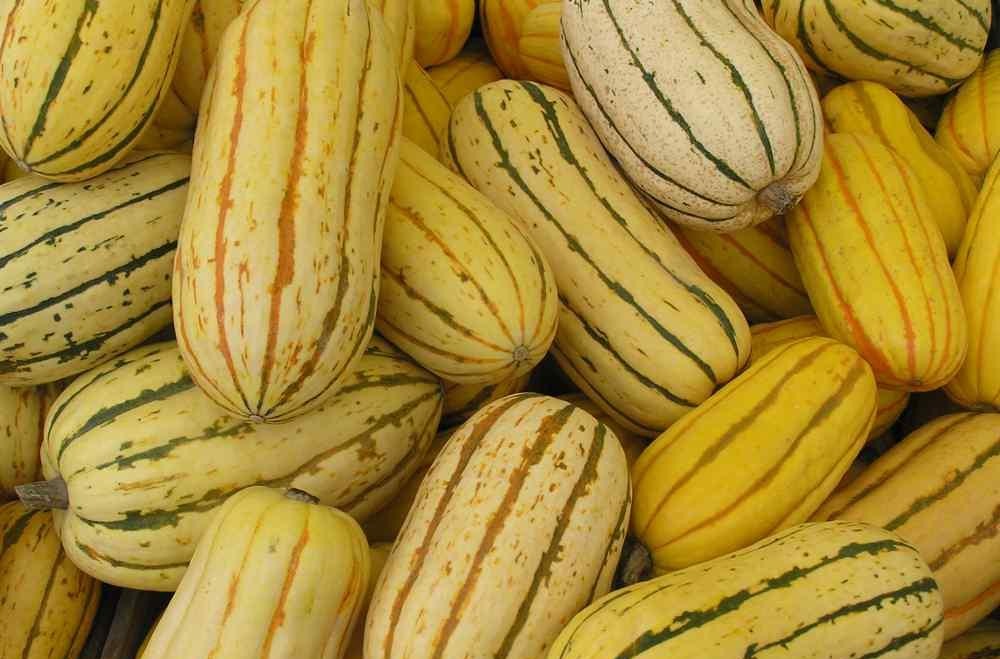
Winter squash includes several varieties, such as acorn squash, butternut squash, and spaghetti squash. Although the name may suggest winter, this is when these crops grow, winter squash is generally harvested in the fall and can be stored for later use. These squash varieties are botanically fruits because they develop from flowers and contain seeds, but they are commonly prepared as vegetables.
Nutrition highlight: Many varieties of winter squash provide fiber and carotenoids, including beta-carotene in orange fleshed varieties. The body can convert beta-carotene into vitamin A, which supports vision, immune function, and normal growth and development (NIH ODS, 2025).
Try roasting acorn squash, baking spaghetti squash, or adding winter squash to soups and casseroles. Different varieties offer different textures and flavors, making them easy to incorporate into a variety of meals.
These examples illustrate an important point: botanical and culinary classifications are not necessarily contradictory. They simply describe foods from different perspectives.
Why Does Food Classification Matter!
Understanding the difference between botanical and culinary classifications is more than an interesting science fact. Food classification can also influence nutrition research, dietary recommendations, and how we communicate about food.
In a peer-reviewed study published in Foods, Monterio et al. (2023) compared food classifications used in food-based dietary guidelines with those used in food science and technology. The authors identified differences in how food items were grouped, illustrating the challenges of creating classification systems that serve different scientific and practical purposes.
Similarly, a study published in the Journal of Food Composition and Analysis examined how fruits and vegetables could be grouped according to characteristics such as botanical fruit, color, plant part, and antioxidant capacity. The findings suggest that different classification approaches can be useful depending on the question being investigated (Pennington & Fischer, 2009).
From a nutrition perspective, the important takeaway is that a food’s botanical classification does not determine its overall nutritional value. Both culinary fruits and vegetables can contribute important vitamins, minerals, fiber, and other beneficial plant compounds to a varied eating pattern.
Rather than getting caught up in whether a food is technically a fruit or vegetable, we can appreciate the diversity of plant foods and the many ways they contribute to our meals.
Celebrating Seasonal Produce in Fall
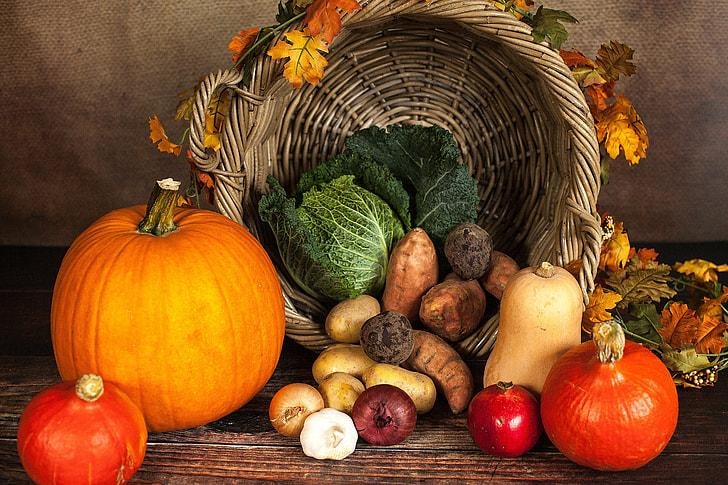
Fall is a wonderful time to explore a variety of seasonal produce. Depending on where you live, locally available options may include apples, pears, cranberries, pumpkins, and winter squash.
Here are a few ways to incorporate fall produce into your meals:
- Apples and pears: Add them to oatmeal, salads, or baked dishes, or enjoy them as a snack.
- Pumpkin: Use pumpkin puree in soups, baked goods, oatmeal, or homemade pie.
- Butternut squash: Roast it with olive oil and herbs, blend it into soup, or add it to grain bowls.
- Cranberries: Incorporate them into sauces, salads, or baked goods.
- Tomatoes and bell peppers: Depending on local availability, enjoy them in soups, roasted dishes, sauces, or salads.
Seasonal availability varies by region, so checking local farmers markets or produce guides can help you find fresh options!
The goal is to enjoy a variety of plant foods in ways that fit your preferences, traditions, and everyday meals. Eating a variety of colorful plant foods is a practical way to incorporate different vitamins, minerals, fiber, and other beneficial plant compounds into meals. Seasonal cooking can also be an opportunity to experiment with new ingredients and discover preparations you enjoy.
Pumpkin Pie: A Seasonal Favorite Made With a Botanical Fruit!
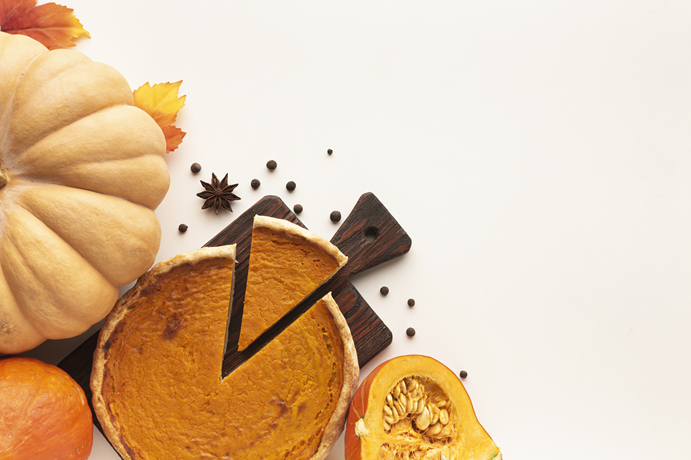
Now that we know pumpkin is botanically a fruit, what better way to celebrate this surprising fact than with a classic fall dessert?
Pumpkin pie is a seasonal favorite that brings together pumpkin puree, warming species, and a flaky pie crust. Although pumpkin is often used in savory dishes, its smooth texture and mild flavor also makes it a wonderful ingredient in sweet recipes.
Classic Pumpkin Pie Recipe
Author: John Kanell Servings: 8 servings Prep Time: 35 minutes
Cook Time: 55 minutes Total Time: 1hour 30 minutes
Ingredients:
- 1 deep-dish store-bought (9 inch) pie crust or homemade pie crust
- ¾ cup packed light brown sugar
- ½ teaspoon ground cinnamon
- ½ teaspoon ground ginger
- ¼ teaspoon ground nutmeg
- ⅛ teaspoon cloves
- ½ teaspoon salt
- 1 (15-ounce) can pumpkin puree
- 1 (12-ounce) can evaporated milk
- 3 large eggs room temperature
Directions:
- If using a homemade pie crust, roll the pie crust to a 14-inch circle. Line a 9-inch pie dish with the pie dough and crimp edges. Chill the crust until ready to use.
- Position an oven rack in the bottom third, and preheat the oven to 400*F.
- In a large mixing bowl, whisk together the sugar, spices, and salt. Add the pumpkin, milk, and eggs, and whisk until well combined. Pour into the pie shell. You can brush the edges of the pie crust with an egg wash, if desired. If you are using a store-bought crust, you may have leftover filling.
- Bake for 15 minutes. Reduce the oven temperature to 350*F. Continue baking until the filling is puffed and jiggles slightly in the center when gently shaken, about 40 minutes. If you have two store-bought crusts, reduce the second bake time by 10-15 minutes.
- Remove from the oven and let cool completely on a wire rack. If making ahead, cover and refrigerate for up to 2 days before serving.
The Takeaway: A Little Science Makes Fall Even More Interesting
Pumpkins, tomatoes, butternut squash, winter squash, and sweet corn show how botanical and culinary classifications can differ. Pumpkin, tomatoes, and squash are botanical fruits, while sweet corn is botanically a grain. Yet each is commonly used as a vegetable in cooking or dietary guidance.
These foods also offer more than interesting classifications: they contribute nutrients such as vitamin A precursors, vitamin C, fiber, folate, potassium, and carotenoids to our diets.
This fall, take the opportunity to explore seasonal produce, experiment with new recipes, and appreciate the science behind the foods on your plate. Whether you’re roasting squash for dinner or baking a pumpkin pie to share with family and friends, there’s plenty to enjoy about the versatility of plant foods.
The next time someone asks whether a pumpkin is a fruit or vegetable, you can confidently answer: botanically, it’s a fruit; culinarily, it’s often treated as a vegetable.
Happy fall cooking!
Sources
Mailly, A., & Dahl, W. (n.d.). Shopping for health: Sweet corn. University of Florida, Institute of Food and Agricultural Sciences Extension. https://ask.ifas.ufl.edu/publication/FS472
Monteiro, J. S., Botelho, R. B. A., Zandonadi, R. P., & Araujo, W. M. C. (2023). Is there a convergence between the food classification adopted by food-based dietary guidelines and food science and technology? Foods, 12(20), 3824. https://doi.org/10.3390/foods12203824
National Institutes of Health, Office of Dietary Supplements. (2025, March 10). Vitamin A and carotenoids: Fact sheet for consumers. https://ods.od.nih.gov/factsheets/VitaminA-Consumer/
Pennington, J. A. T., & Fisher, R. A. (2009). Classification of fruits and vegetables. Journal of Food Composition and Analysis, 22(Supplement), S23–S31. https://doi.org/10.1016/j.jfca.2008.11.012
